Summary: Researchers have developed a noninvasive brain-spine interface that detects movement intentions and cues spinal cord stimulation to aid rehabilitation. Using EEG caps, they trained a decoder… [+7002 chars]
Noninvasive Brain-Spine Interface May Help Restore Movement After Injury - Neuroscience News
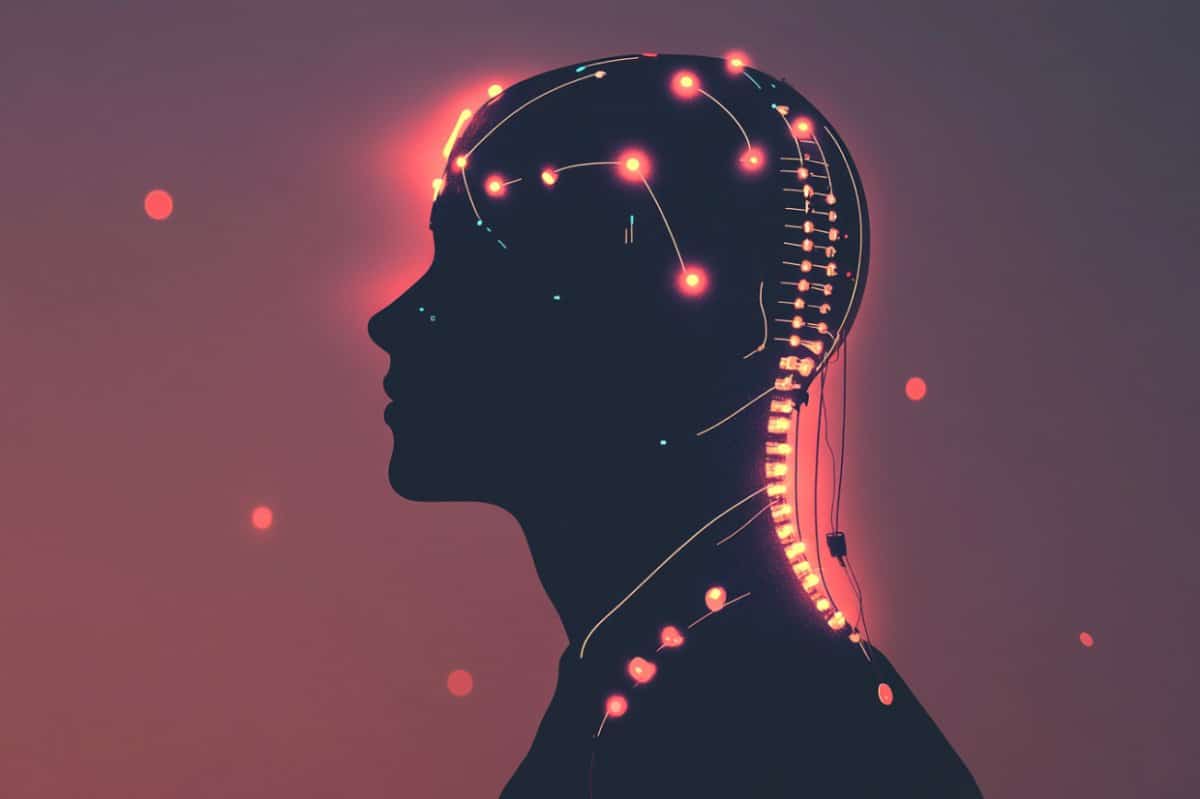
Researchers have developed a noninvasive brain-spine interface that detects movement intentions and cues spinal cord stimulation to aid rehabilitation.
By:Neuroscience News
Source:Neurosciencenews.com
Published:
Related News

New evidence shows how discrimination shortens lives in Black communities - The Washington Post
Researchers linked higher inflammation levels to decades of stress, including discrimination and economic hardship.
The Washington Post•Akilah Johnson
Is Particle Physics Dead, Dying, or Just Hard? - Quanta Magazine
Columnist Natalie Wolchover checks in with particle physicists more than a decade after the field entered a profound crisis.
Quanta Magazine

2026 Guideline for the Early Management of Patients With Acute Ischemic Stroke - professional.heart.org
Heart.org